Asphalt Shingle Roof Replacement Cost USA Guide
By the Ridge Home Editorial Team — reviewed for accuracy. Last updated 2026. This article is for informational purposes and reflects typical U.S. market pricing; obtain local quotes for your specific project.
Replacing an asphalt shingle roof in the United States typically costs between $8,500 and $22,000 for an average single-family home, or roughly $4.50 to $11.00 per square foot installed. The final price depends on your roof size, shingle grade, roof pitch, the number of existing layers that must be torn off, and where you live. A simple 1,500 sq ft ranch with architectural shingles may land near $10,000, while a steep, multi-story home with premium shingles and structural repairs can exceed $25,000. This guide breaks down every cost factor, walks through real project scenarios, and shows you how to avoid the most expensive mistakes homeowners make when hiring a roofer.
Asphalt Shingle Roof Replacement Cost Overview
Asphalt shingles cover roughly four out of five homes in the United States, and for good reason: they offer the best balance of upfront cost, durability, and curb appeal of any mainstream roofing material. When budgeting for a replacement, most homeowners think only about the shingles themselves, but shingles are usually less than 40% of the total invoice. Labor, tear-off, underlayment, flashing, ventilation, disposal, and permits make up the rest. Understanding how that total breaks down is the first step toward reading a contractor’s quote intelligently.
The single most useful number to understand is the “roofing square.” One roofing square equals 100 square feet of roof surface. Contractors price and order materials by the square, not by the individual shingle bundle. A typical American home has between 15 and 30 roofing squares. Installed pricing in 2026 ranges from about $450 to $1,100 per square depending on shingle tier and regional labor rates. Note that your roof’s square footage is always larger than your home’s floor area because of pitch and overhangs, often by 10% to 40%.
On a typical project, the cost splits roughly as follows: materials (shingles, underlayment, flashing, vents, fasteners) account for 35% to 45%; labor accounts for 40% to 50%; tear-off and disposal for 8% to 12%; and permits plus overhead for the remainder. This is why two quotes for the same shingle brand can differ so much: the labor and scope, not the shingle, drive most of the gap.
| Roof Size | Roofing Squares | 3-Tab Shingles | Architectural Shingles | Premium/Designer |
|---|---|---|---|---|
| 1,000 sq ft | ~12 sq | $5,400 – $7,200 | $6,600 – $9,600 | $9,600 – $13,200 |
| 1,500 sq ft | ~18 sq | $8,100 – $10,800 | $9,900 – $14,400 | $14,400 – $19,800 |
| 2,000 sq ft | ~24 sq | $10,800 – $14,400 | $13,200 – $19,200 | $19,200 – $26,400 |
| 3,000 sq ft | ~36 sq | $16,200 – $21,600 | $19,800 – $28,800 | $28,800 – $39,600 |
These figures assume a standard single-layer tear-off, moderate roof pitch, and average U.S. labor rates. Read the following sections to understand what pushes your project toward the low or high end of each range.
What a Roof Replacement Actually Includes
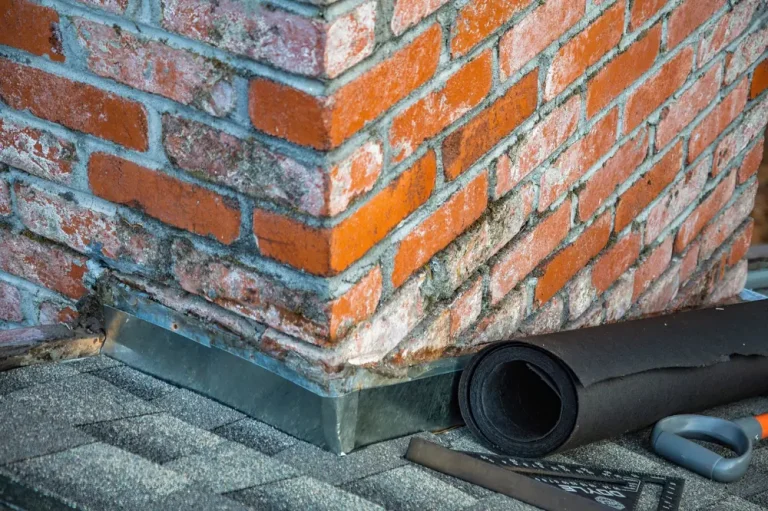
A professional replacement is far more than nailing down new shingles. A complete job includes tearing off and disposing of the old roofing, inspecting and repairing the wood decking, installing ice-and-water shield in vulnerable areas, laying synthetic underlayment across the full deck, replacing drip edge and step flashing, installing new pipe boots and ridge vents, and finally the shingles and ridge caps. Skipping any of these components is the most common way disreputable contractors lower their bid while setting you up for leaks within a few years. When you compare quotes, confirm each of these line items appears; a quote that lists only “shingles and labor” is hiding scope, not saving you money.
The Main Factors That Determine Your Roof Replacement Price
Two homes on the same street can receive quotes that differ by thousands of dollars. Understanding the variables below lets you read a quote intelligently and negotiate from a position of knowledge rather than guesswork. The biggest levers are size, pitch, material grade, tear-off complexity, and regional labor rates.
Roof Size, Pitch, and Complexity
Size is the obvious driver, but pitch and complexity often matter more per square foot. A steep roof (anything above a 6:12 pitch) requires safety equipment, slows crews down, and can add 20% to 50% to labor. Complex rooflines with multiple valleys, dormers, skylights, and chimneys require extra flashing and cutting, raising both material and labor costs. A simple gable roof is always cheaper to replace than a cut-up roof of the same square footage. Homes with two or three existing layers of shingles also cost more, because each layer must be torn off and hauled away, adding both labor hours and dumpster fees.
Regional labor rates create another large swing. Roofing labor in high-cost metros such as San Francisco, Boston, or New York can run two to three times the rate of rural markets in the South or Midwest. Accessibility matters too: a home on a narrow lot, with limited driveway space for a dumpster, or with delicate landscaping to protect will cost more to service than an open, easily accessed property.
Asphalt Shingle Types and Their Cost Differences
The shingle tier you choose has a direct and lasting impact on both price and lifespan. There are three broad categories in the American market, and choosing the right one is largely a question of how long you plan to own the home.
3-Tab, Architectural, and Designer Shingles
3-tab shingles are the entry-level option, flat and uniform, with a 15 to 20 year lifespan and the lowest price, typically $90 to $110 per square in materials. Architectural (dimensional) shingles are now the default choice for most homeowners: they are thicker, last 25 to 30 years, carry better wind ratings (often 110 to 130 mph), and cost only modestly more at $120 to $180 per square. Designer or luxury shingles mimic slate or cedar shake, last up to 50 years, and command premium pricing of $250 to $450 per square. For most U.S. homeowners planning to stay in the home five years or longer, architectural shingles deliver the best long-term value, combining a modest price premium with a substantially longer service life and better resale appeal.
Beyond tier, look at manufacturer warranties and impact ratings. In hail-prone states, Class 4 impact-resistant shingles can qualify for insurance premium discounts that offset their higher cost over time. Algae-resistant shingles are worth the small premium in humid climates where dark streaking is common.

Real-World Roof Replacement Cost Scenarios
Abstract ranges are useful, but concrete scenarios make budgeting real. Below are three representative American projects at different scales, each reflecting typical 2026 pricing including tear-off, materials, labor, and disposal.
Small, Medium, and Large Project Examples
Small project: A 1,100 sq ft single-story home in Texas with a simple gable roof, single-layer tear-off, and architectural shingles. With straightforward access and moderate local labor rates, expect roughly $7,500 to $9,500 all-in. Medium project: A 2,000 sq ft two-story colonial in Ohio with two skylights, moderate pitch, and a single existing layer. Including new flashing, ridge ventilation upgrades, and re-flashing around the skylights, expect $14,000 to $19,000. Large project: A 3,200 sq ft home in California with a steep, complex roof, two tear-off layers, some deck repair, and premium shingles. Driven by labor, disposal of two layers, and material grade, expect $28,000 to $38,000. In each case, obtaining three itemized quotes is the best way to confirm the scope matches the price.
How to Choose a Roofing Contractor
The contractor you hire affects your final cost as much as any material choice. The cheapest bid is rarely the best value, and the most expensive is not automatically the safest. Your goal is to find a licensed, insured professional who provides a complete written scope and a track record of local work.
Licensing, Insurance, and Warranty Red Flags
Always verify state licensing where required, confirm both liability insurance and workers’ compensation coverage, and get the full scope of work in writing. Be wary of contractors who demand large upfront deposits, cannot provide local references, pressure you to sign immediately, or offer to “waive your deductible” on an insurance job, which is illegal in many states. A legitimate contractor will provide a manufacturer warranty on materials and a separate workmanship warranty on labor, typically 5 to 10 years. Ask whether the company uses its own employees or subcontracts the work, and confirm who is liable if something goes wrong. Reputable manufacturers also maintain lists of certified installers, which can unlock enhanced warranty coverage.
The Roof Replacement Process and Timeline
Knowing what to expect keeps you from being upsold on unnecessary rush fees or surprised by disruption. Most residential replacements are completed quickly, but preparation and cleanup matter as much as the installation itself.
What Happens on Installation Day
Most residential replacements take one to three days depending on size, weather, and complexity. The crew arrives early, protects landscaping and windows with tarps, tears off the old roofing down to the deck, and inspects for rotten or delaminated plywood. Any damaged decking is replaced (often billed per sheet as an extra). The crew then installs underlayment and ice-and-water shield, applies drip edge and flashing, and lays the new shingles from the eaves upward. Ridge venting and ridge caps go on last, followed by a thorough magnetic nail sweep of the yard and driveway. A final walk-through with the crew lead should confirm cleanup and address any concerns before you release final payment. Reputable companies will not ask for the full balance until you have inspected the completed work.
Permits, Codes, and Regional Requirements
Roofing is a permitted activity in most U.S. jurisdictions, and skipping the permit can void insurance claims and complicate future home sales. Permit costs vary widely, from under $150 in some rural counties to several hundred dollars in major cities.
Why Permits Protect Your Investment
A permit ensures an inspector verifies the work meets local building code, including ventilation, ice-barrier, and wind-uplift requirements that vary by climate zone. In hurricane-prone states like Florida, code mandates specific nailing patterns and high wind ratings, and may require secondary water barriers. In northern snow regions, ice-and-water shield along the eaves is typically required by code to prevent ice-dam leaks. A reputable contractor pulls the permit as part of the job and coordinates the inspection; if yours suggests skipping it “to save money,” treat that as a serious warning sign, because unpermitted work can surface as a costly problem when you sell the home.
Maintenance and Maximizing Roof Lifespan
A new roof is a major investment, and simple maintenance can add years to its service life while protecting your warranty. Most manufacturer warranties require reasonable upkeep and adequate attic ventilation to remain valid.
Annual Care That Prevents Costly Repairs
Clean gutters at least twice a year to prevent water backup under the eaves, trim overhanging branches that abrade shingles and drop debris, inspect for lifted or missing shingles after major storms, and ensure attic ventilation and insulation remain unobstructed to prevent heat and moisture buildup that prematurely ages shingles from below. Schedule a professional inspection every few years, and always after severe hail or wind, to catch small issues before they become leaks. Keep records of all inspections and repairs, because documented maintenance helps preserve manufacturer warranty coverage and supports any future insurance claim.
Frequently Asked Questions
Is it cheaper to reroof over existing shingles?
Laying new shingles over old ones (an overlay) can save 15% to 25% on labor and disposal, but most roofing professionals advise against it. An overlay traps heat, hides deck damage, shortens the new roof’s lifespan, adds weight to the structure, and is limited to a maximum of two layers by most building codes. A full tear-off is almost always the better long-term value and is required if your existing roof already has two layers.
How long does an asphalt shingle roof last?
3-tab shingles last 15 to 20 years, architectural shingles 25 to 30 years, and premium designer shingles up to 50 years. Actual lifespan depends heavily on attic ventilation, installation quality, and climate. Proper ventilation is one of the biggest factors in reaching the upper end of these ranges, because trapped heat cooks shingles from beneath and can cut years off their life.
Does homeowners insurance cover roof replacement?
Insurance typically covers roof replacement when damage results from a covered peril such as hail, wind, or a fallen tree, subject to your deductible. It generally does not cover replacement due to age or normal wear and tear. Document any storm damage with dated photos, file promptly, and keep maintenance records, as insurers increasingly scrutinize the pre-existing condition of aging roofs.
Summary and Next Steps
Replacing an asphalt shingle roof in the United States is a significant but predictable investment, most often falling between $8,500 and $22,000 depending on size, shingle grade, and roof complexity. The smartest approach is to understand the cost drivers, choose architectural shingles for the best balance of price and longevity, verify your contractor’s licensing and insurance, insist on a permit, and maintain the roof once installed. Gather at least three itemized quotes, confirm each includes tear-off, underlayment, flashing, and ventilation, and never let price alone drive the decision. Armed with the breakdowns in this guide, you can request quotes with confidence and recognize a fair, complete scope of work when you see one.