Metal Roof Installation Cost UK Guide
By the Ridge Home Editorial Team — reviewed for accuracy. Last updated 2026. This article is for informational purposes and reflects typical market pricing; obtain local quotes for your specific project.
Installing a metal roof in the UK typically costs between £5,500 and £16,000 for an average detached or semi-detached home, or roughly £80 to £150 per square metre supplied and fitted. The final figure depends on the metal you choose, the size and pitch of your roof, scaffolding requirements, and whether the old covering must be stripped first. A modest terraced roof in steel may sit near £6,000, while a large detached property finished in standing seam zinc can exceed £18,000. This guide explains every cost driver, walks through real UK project examples, and shows you how to commission the work sensibly.
Metal Roof Installation Cost Overview
Metal roofing has moved from an agricultural and commercial niche into mainstream British home improvement, prized for its 40 to 70 year lifespan, light weight, and clean modern lines. When budgeting, remember that the metal sheets or tiles themselves are rarely more than half the bill. Battens, breathable membrane, insulation upgrades, flashings, fixings, scaffolding, labour, and waste removal make up the balance, and in the UK scaffolding alone can add £800 to £2,500 depending on access and storeys.
Pricing in Britain is most often quoted per square metre of roof area rather than the American “square.” A typical UK house has between 70 and 160 square metres of roof surface once pitch is accounted for. Supplied-and-fitted rates in 2026 run from about £80 per square metre for basic corrugated steel to £180 or more for architectural standing seam zinc or copper.
| Property Type | Approx Roof Area | Steel/Coated | Aluminium | Zinc/Copper (Standing Seam) |
|---|---|---|---|---|
| Terraced house | ~60 m² | £5,400 – £7,800 | £7,200 – £9,600 | £10,800 – £15,000 |
| Semi-detached | ~90 m² | £7,200 – £10,800 | £9,900 – £13,500 | £14,400 – £19,800 |
| Detached | ~130 m² | £10,400 – £15,600 | £14,300 – £19,500 | £20,800 – £28,600 |
| Large detached | ~180 m² | £14,400 – £21,600 | £19,800 – £27,000 | £28,800 – £39,600 |
These ranges assume standard access, a single-storey scaffold where needed, and removal of one existing layer. The sections below explain what pushes a project toward the top or bottom of each band.
What the Installation Actually Covers
A proper metal roof installation is a full system, not just the visible sheets. It includes stripping and disposing of the old covering, checking and repairing the timber structure, fitting a breathable underlay and counter-battens to create a ventilated cavity, installing the metal panels or tiles with concealed or exposed fixings, and finishing ridges, verges, valleys and abutments with matching flashings. Cutting corners on membrane or ventilation is the most common way an installer trims a quote while risking condensation problems later.
What Determines Your Metal Roof Price
Two similar-looking homes can receive very different quotes. Understanding the levers below lets you read an estimate with a professional eye and question anything that seems off.
Roof Area, Pitch and Access
Area is the headline figure, but pitch and access frequently matter more per square metre. Low-pitch roofs suit standing seam but demand careful detailing; steep roofs slow the crew and increase scaffolding costs. Terraced streets with no rear access, conservation areas, and homes on busy roads all raise labour and logistics costs. The number of roof features — chimneys, dormers, rooflights and valleys — also adds flashing work and cutting time.
Types of Metal Roofing and Their Costs
Your choice of metal sets both the price and the character of the finished roof. Four options dominate the British market.
Steel, Aluminium, Zinc and Copper
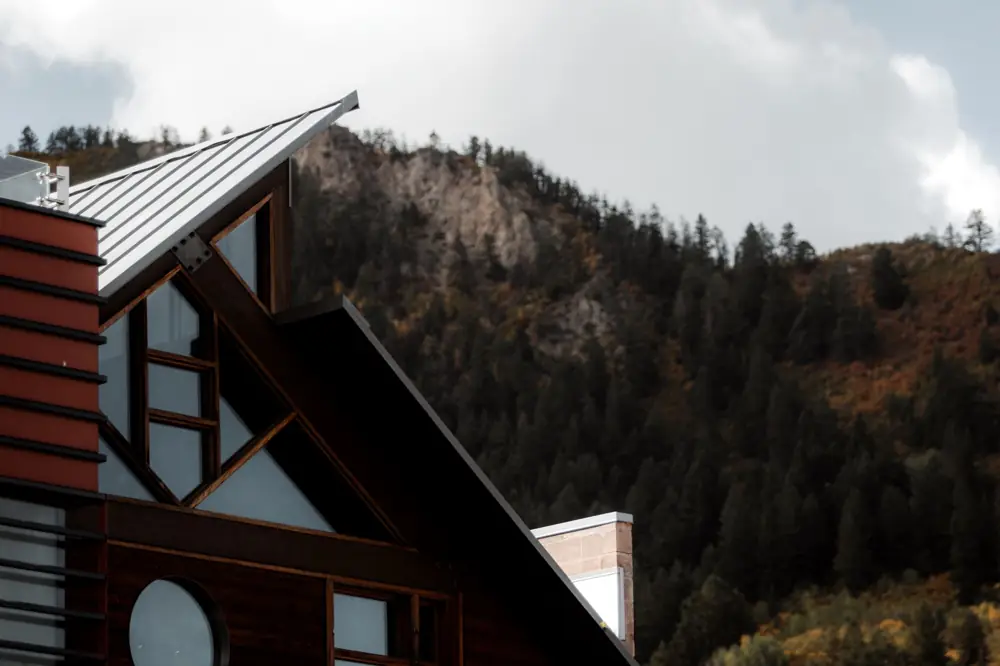
Coated steel (often in tile-effect sheets from brands such as Britmet or Metrotile) is the most affordable, durable, and popular for residential re-roofs. Aluminium is lightweight and highly corrosion-resistant, making it ideal for coastal exposure. Zinc, typically installed as standing seam by specialists using VMZINC or Rheinzink products, develops a self-protecting patina and lasts well beyond 70 years. Copper is the premium choice, prized for its longevity and the green patina it forms over decades. For most homeowners, coated steel tile-effect sheeting offers the best balance of cost and kerb appeal, while zinc suits contemporary architect-designed extensions.
Real UK Project Cost Scenarios
Concrete examples make budgeting tangible. Here are three representative British projects at different scales and specifications.
Small, Medium and Large Examples
Small project: A Victorian terraced house in Leeds, roughly 60 m², re-roofed in tile-effect coated steel with a single scaffold run. Expect £6,500 to £8,500 all-in. Medium project: A 1930s semi-detached in Bristol, about 95 m², finished in aluminium standing seam with membrane and ventilation upgrades. Expect £13,000 to £17,000. Large project: A detached home in Surrey, around 150 m², in zinc standing seam with complex dormers and full scaffolding. Expect £26,000 to £34,000, driven by material grade and specialist labour. In every case, obtaining at least three itemised quotes protects you from both overpaying and under-specification.
How to Choose a Metal Roofing Contractor
With metal roofing, installer skill matters even more than with slate or tile, because seams and flashings must be formed precisely to stay watertight for decades.
Accreditations, Insurance and Guarantees
Look for installers who are manufacturer-approved for the specific system they will fit, as this often unlocks longer product guarantees. Confirm public liability insurance, ask for addresses of completed local jobs you can view, and get the full specification in writing including membrane type and ventilation detail. Be cautious of quotes far below the rest, of demands for large upfront payments, and of anyone unwilling to name the manufacturer of the panels they will use. A reputable firm will provide both a manufacturer product warranty and a workmanship guarantee.
The Installation Process and Timeline
Knowing the sequence helps you plan around disruption and spot corner-cutting.
What to Expect On Site
Most domestic metal re-roofs take four days to two weeks depending on size, weather and complexity. Scaffolding goes up first, then the old covering is stripped and the timber inspected. The crew fits breathable membrane and counter-battens, installs the panels or tiles working from the eaves upward, and forms the flashings at ridges, verges and penetrations. Finally the site is cleared and the scaffold removed. Because metal is light, structural strengthening is rarely needed, which is one reason it suits older properties with tired timbers. Insist on a final inspection before releasing the balance of payment.
Building Regulations and Planning
Re-roofing in the UK usually falls under permitted development, but there are important exceptions and Building Regulations that apply.
When Approval Is Needed
If more than 25 per cent of the roof is being re-covered, Building Regulations require the roof to meet current thermal and structural standards, which may mean adding insulation. Listed buildings and homes in conservation areas or National Parks typically need consent before changing roof material or appearance. Reputable contractors will handle the Building Control notification and any required inspection as part of the job. Always confirm this is included rather than assuming it, since unapproved work can complicate a future sale.
Maintenance and Lifespan
One of metal roofing’s biggest attractions is how little upkeep it needs, but a few simple habits maximise its long service life.
Simple Care That Protects Your Investment
Clear leaves and debris from valleys and gutters at least twice a year so water drains freely, inspect flashings and seams after severe storms, and check that any exposed fixings remain tight and their washers intact. Avoid walking on the panels unnecessarily, and never use abrasive cleaners that could damage protective coatings. With this minimal care, a quality steel roof will comfortably reach 40 to 50 years, and zinc or copper considerably longer, making the cost per year of service among the lowest of any roofing material.
Frequently Asked Questions
Can a metal roof be fitted over existing tiles?
In some cases lightweight metal tile-effect sheets can be installed over battens above sound existing coverings, but most professionals recommend a full strip so the timber and membrane can be inspected and upgraded. Overlaying can trap moisture and hides problems, so a clean strip is usually the better long-term value.
Is a metal roof noisy in the rain?
Modern residential metal roofs installed over a solid deck, breathable membrane and insulation are no noisier than tile or slate. The “drumming” association comes from uninsulated agricultural buildings, not properly specified home installations.
How long does a metal roof last in the UK climate?
Coated steel typically lasts 40 to 50 years, aluminium 45 years or more, and zinc or copper 70 years or beyond. The damp British climate is well suited to corrosion-resistant metals, provided ventilation is detailed correctly to prevent condensation beneath the panels.
Cost-Saving Strategies for Metal Roofing
A metal roof is a long-term purchase, and several sensible choices reduce the cost without compromising quality. Timing the work outside the busiest summer months can secure better rates from installers with gaps in their schedule. Choosing a coated steel tile-effect system rather than zinc or copper delivers most of the durability benefit at a fraction of the price. Where the existing timbers are sound, retaining them avoids structural spend, and combining the re-roof with any planned insulation upgrade spreads the scaffolding cost across two improvements at once.
Where to Spend and Where to Save
Spend on the membrane, ventilation detailing and flashings, because these determine whether the roof stays watertight and condensation-free for decades. Save by selecting a mid-range coated steel in a standard colour rather than a bespoke finish, and by accepting a simple profile over an ornate one. Never economise on the installer’s competence: a cheap fitting of an expensive material is the worst value of all, because remedial work erases any initial saving many times over.
Energy Efficiency and Long-Term Value
Metal roofing contributes to a home’s thermal performance in ways that affect running costs over its long life. Reflective coatings reduce summer heat gain, and when paired with proper insulation and the ventilated cavity a good installation provides, the roof helps stabilise indoor temperatures year-round. Because metal lasts two to three times longer than many alternatives, the cost spread over its service life is highly competitive, and its recyclability at end of life adds an environmental dimension increasingly valued by buyers.
Impact on Home Value and Resale
A new metal roof is a strong selling point, signalling to prospective buyers that the most weather-critical part of the house is sorted for decades. Its modern appearance suits contemporary extensions and renovations, and the transferable manufacturer warranties on quality systems reassure buyers. While you rarely recoup the full cost in a sale, a sound, attractive roof removes a major objection and can speed a transaction, which has real financial worth when you come to move.
Common Mistakes to Avoid
The most frequent and costly errors with metal roofing are avoidable with a little knowledge. Homeowners sometimes choose an installer on price alone, only to face condensation or leaks from poor detailing. Others overlook ventilation, assuming metal needs none, when a ventilated cavity is essential to prevent moisture beneath the panels. Selecting an inappropriate metal for a coastal site invites premature corrosion, and skipping Building Regulations sign-off can complicate a future sale.
Questions to Ask Before Signing
Before committing, ask the installer to specify the exact metal and coating, the membrane and ventilation approach, how flashings will be formed, and what warranties apply to both product and workmanship. Request addresses of comparable completed jobs and confirm who handles the Building Control notification. Clear answers to these questions separate a professional who will deliver a lasting roof from a fitter likely to leave you with expensive problems.
Summary and Next Steps
A metal roof is a long-term investment that rewards careful specification, most often costing UK homeowners between £5,500 and £16,000 depending on metal type, roof size and access. The smartest approach is to understand the cost drivers, choose a metal suited to your property and exposure, use a manufacturer-approved installer, confirm Building Regulations are handled, and enjoy decades of near-maintenance-free performance. Gather three detailed quotes, check each includes membrane, ventilation and flashings, and you will be well placed to commission a roof that outlasts almost every other part of your home.