Chimney Repair Cost Canada Guide
By the Ridge Home Editorial Team — reviewed for accuracy. Last updated 2026. This article is for informational purposes and reflects typical market pricing; obtain local quotes for your specific project.
Chimney repair in Canada typically costs between C$500 and C$4,000 for most jobs, with common repairs like repointing or crown repair averaging C$800 to C$2,500. The final price depends on the type of damage, the chimney’s height and access, the materials involved, and whether the problem has spread to the flue or roof. A minor cap or flashing repair may cost C$300 to C$700, while a full rebuild of a deteriorated masonry chimney can exceed C$6,000. This guide explains chimney repair costs across Canada and how the freeze-thaw climate makes early action essential.
Chimney Repair Cost Overview
Chimneys endure some of the harshest conditions of any part of a Canadian home, exposed to rain, snow, and relentless freeze-thaw cycles that attack masonry and mortar. Budgeting for repair means identifying which component has failed — the mortar joints, the crown, the cap, the flashing, or the flue liner — because costs vary widely between them. Catching a problem early, when it is a crown seal or a few repointed joints, is inexpensive; letting water infiltrate through the winter can turn a small repair into a structural rebuild.
Contractors price chimney repair by the job, scaled to height and access. The table below shows indicative 2026 Canadian costs by repair type.
| Repair Type | Typical Scope | Indicative Cost (C$) |
|---|---|---|
| Chimney cap / rain cap | Replace or install cap | C$300 – C$700 |
| Crown repair / seal | Patch or reseal the crown | C$500 – C$1,500 |
| Repointing (tuckpointing) | Renew deteriorated mortar joints | C$800 – C$2,500 |
| Flashing repair | Reseal or replace roof flashing | C$500 – C$1,500 |
| Partial or full rebuild | Rebuild damaged masonry | C$3,000 – C$8,000+ |
These figures assume reasonable access. The sections below explain what shapes your repair cost.
What Chimney Repair Includes
A proper chimney repair begins with an inspection to find the true source of any water entry or damage, then addresses the specific failure: repointing crumbling mortar, resealing or recasting the crown, fitting a proper cap, renewing the roof flashing, or rebuilding damaged brick courses. A quality contractor uses mortar matched to the existing masonry and addresses the cause of moisture rather than just the symptom, because water is behind the vast majority of Canadian chimney problems.
What Determines Your Chimney Repair Price
Chimney repair costs vary with damage type, height and access. The key levers are below.
Damage Type, Height and Access
The nature of the damage is the primary driver, from an inexpensive cap up to a costly rebuild. Chimney height and roof pitch strongly affect access, with tall chimneys on steep roofs requiring staging or lifts that add labour. The extent of water damage discovered on inspection can raise the scope, and heritage or unusual masonry that needs matched materials adds cost. Because so much depends on what an inspection reveals, firm quotes should follow a proper assessment.
Common Chimney Problems in Canada
Understanding the typical failures helps you interpret a quote and prioritise.
Spalling, Cracked Crowns and Failed Flashing
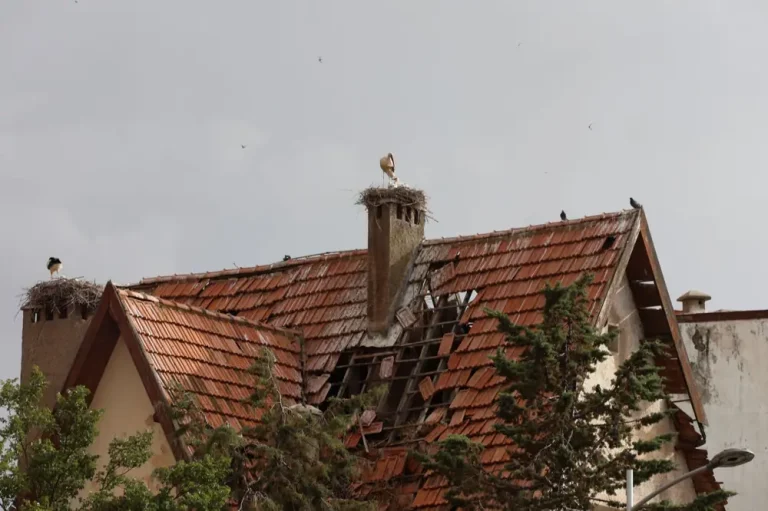
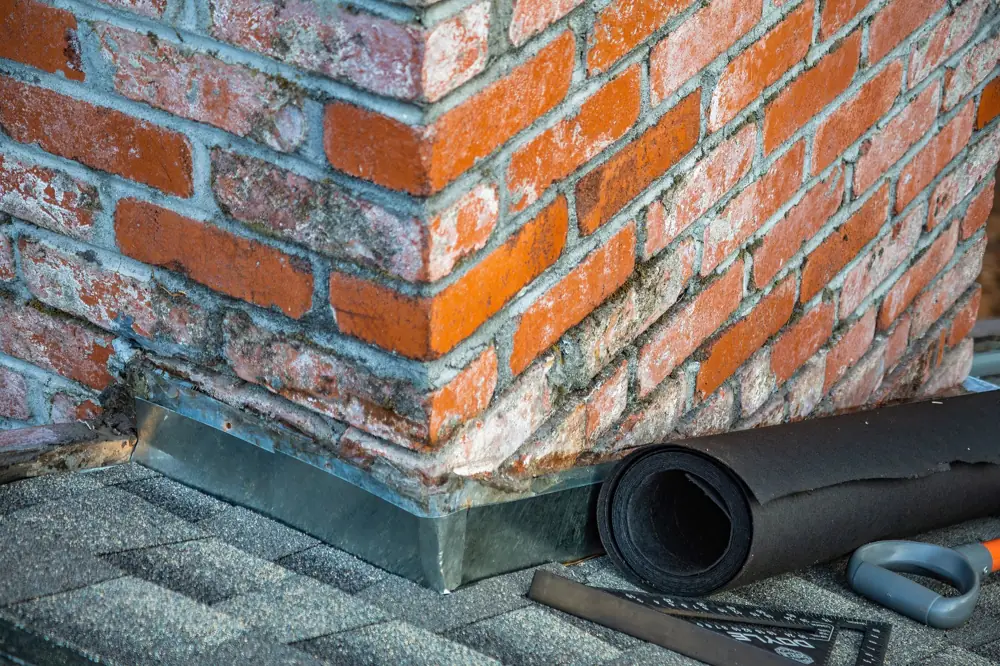
Spalling brick occurs when water soaks into masonry, freezes and flakes the brick face, a classic freeze-thaw problem in Canada. Cracked or deteriorated crowns (the concrete top) let water into the chimney structure. Failed flashing where the chimney meets the roof is a leading source of interior leaks. Deteriorated mortar joints weaken the structure and admit water, calling for repointing. Recognising which of these has occurred helps you understand why one chimney repair costs a few hundred dollars and another several thousand.
Real Canadian Repair Cost Scenarios
Concrete examples show how damage type and access shape the total.
Minor, Moderate and Major Examples
Minor repair: Installing a stainless rain cap and resealing a small crown crack on a bungalow in Regina. Expect C$500 to C$900. Moderate repair: Repointing deteriorated mortar and renewing flashing on a two-storey home in Toronto. Expect C$1,800 to C$3,000. Major repair: Rebuilding the top several courses of a spalled, water-damaged chimney on a steep-roofed home in Halifax, including a new crown and cap. Expect C$4,500 to C$7,000. Acting at the first sign of spalling or staining keeps most chimney repairs in the minor or moderate range.
How to Choose a Chimney Contractor
Chimney work combines masonry and roofing skills, so the contractor’s expertise matters.
Certification, Inspection and Red Flags
Choose a contractor experienced in masonry chimney repair, ideally with WETT (Wood Energy Technology Transfer) certification if the chimney serves a wood appliance, and confirm insurance. Insist on an inspection before a firm quote, and get the scope, mortar type and cause of the problem in writing. Be wary of anyone who quotes a rebuild without inspecting, who ignores the flashing and crown while only addressing brick, or who uses mismatched modern mortar on older masonry. A reputable contractor explains the root cause and warranties the work.
The Repair Process and Timeline
Most chimney repairs are completed within a few days once the scope is clear.
What to Expect On Site
A cap or small crown repair may take a few hours, repointing a day or two, and a rebuild several days. The contractor sets up safe access, removes and rebuilds or repoints the affected masonry using matched mortar, reseals or recasts the crown, fits a proper cap to keep rain and animals out, and renews the flashing where the chimney meets the roof. A waterproofing treatment is sometimes applied to protect repaired masonry. Because the goal is to stop water entry, correct sealing of crown, cap and flashing is as important as the brickwork itself.
Prevention and Maintenance
Chimney problems are highly preventable, and in Canada’s climate prevention pays off strongly.
Protecting Masonry From Freeze-Thaw
Fit a quality cap to keep rain out of the flue, have the crown inspected and sealed before cracks let water in, address deteriorating mortar promptly before freeze-thaw spalls the brick, and keep the flashing sound. A periodic inspection, and an annual one for chimneys serving wood-burning appliances, catches small issues early. Applying a breathable masonry water repellent after repairs helps resist moisture. This modest upkeep prevents the water infiltration that drives nearly every expensive Canadian chimney repair.
Frequently Asked Questions
Why do Canadian chimneys deteriorate so quickly?
The freeze-thaw cycle is the main culprit: water absorbed by masonry expands as it freezes, cracking mortar and spalling brick over repeated winters. Keeping water out with a cap, sound crown and good flashing is the single most effective way to extend a chimney’s life.
Should I repair or rebuild my chimney?
Repair (repointing, crown and cap work) is appropriate when the masonry is largely sound and damage is limited. A rebuild becomes the better value when spalling and mortar loss are widespread or the structure is unstable, as repeated patching of a failing chimney is uneconomical.
Is chimney repair covered by insurance?
Sudden damage, such as from a storm or lightning, may be covered, but gradual deterioration from weather and age generally is not. Documenting sudden damage promptly and maintaining the chimney supports any claim and prevents avoidable decline.
Cost-Saving Strategies for Chimney Repair
Chimney repair costs escalate sharply with neglect, so early, preventive action is the primary saving. Fitting a cap and sealing the crown before water infiltrates keeps repairs to inexpensive items rather than a rebuild. Bundling chimney work with a re-roof shares access, and addressing deteriorating mortar with repointing before freeze-thaw spalls the brick avoids the far greater cost of rebuilding damaged courses later.
Where to Spend and Where to Save
Spend on stopping water entry: a quality cap, a sound crown, matched repointing mortar and good flashing, because water drives nearly every Canadian chimney problem. Spend on a mason who matches mortar correctly to older brickwork. Save by acting early while repairs are minor and by applying a breathable water repellent after repointing to slow future decay. Delay is the most expensive choice, turning small repairs into rebuilds.
Freeze-Thaw Protection Over Time
Canada’s repeated freeze-thaw cycles are relentless on masonry, and understanding this shapes a cost-effective strategy. Water absorbed into brick and mortar expands as it freezes, cracking joints and flaking brick faces winter after winter. Keeping water out with a cap, intact crown and sound pointing interrupts this cycle and dramatically extends the chimney’s life. A modest annual check and prompt sealing of any crack is far cheaper than the cumulative damage of ignored infiltration.
Impact on Home Value and Resale
A sound chimney with a proper cap, intact crown and good flashing reassures buyers and inspectors, while a spalling, leaning or water-stained chimney is a prominent red flag that invites price reductions and inspection concerns. For homes with wood-burning appliances, evidence of WETT-compliant inspection and repair adds confidence. Maintaining the chimney protects both safety and saleability.
Common Mistakes to Avoid
Frequent errors include ignoring early spalling and staining until a rebuild is needed, addressing brick while neglecting the crown and flashing that admit the water, using mismatched modern mortar on old masonry, and hiring a general contractor without masonry chimney experience. Quoting a rebuild without inspection is another warning sign.
Questions to Ask Before Signing
Ask the contractor to identify the water-entry source, specify the mortar match, and confirm the cap, crown and flashing will all be addressed, not just the brick. For wood appliances, ask about WETT certification. Request references and a warranty. Clear answers indicate a mason who treats the cause, not just the visible damage.
How often should a chimney be inspected in Canada?
A visual inspection every couple of years suits an unused or decorative chimney, while chimneys serving wood-burning appliances should be inspected annually, ideally by a WETT-certified professional, for both structural condition and safe operation. Regular checks catch crown cracks, failing pointing and cap problems before freeze-thaw turns them into costly rebuilds.
Can I use my fireplace if the chimney needs repair?
It depends on the fault. Structural damage, a cracked liner or compromised flashing can make use unsafe, risking water damage or, with a flue fault, dangerous combustion products. Have a qualified professional assess the chimney before use if you suspect a problem, and address safety-critical repairs before lighting a fire.
Summary and Next Steps
Chimney repair in Canada is best treated as early, preventive maintenance, typically costing between C$500 and C$4,000 depending on the damage, height and access. The smartest approach is to act at the first sign of spalling, staining or a cracked crown, keep a cap, sound crown and good flashing to bar water, and use a contractor experienced in masonry repair who matches mortar correctly. Have the chimney inspected periodically, address small issues before winter, and you will avoid the water-driven deterioration that turns minor repairs into major rebuilds.