Solar Roof Shingles Installation Cost New Zealand Guide
By the Ridge Home Editorial Team — reviewed for accuracy. Last updated 2026. This article is for informational purposes and reflects typical market pricing; obtain local quotes for your specific project.
Solar roof shingles in New Zealand typically cost between NZ$25,000 and NZ$55,000 installed for an average home, or roughly NZ$400 to NZ$700 per square metre of active solar area. These integrated solar tiles replace conventional roofing while generating electricity, so the price reflects both a new roof and a solar system in one. The final figure depends on the system size in kilowatts, the proportion of the roof that is active, the roof’s complexity, and whether battery storage is added. A modest installation may start around NZ$25,000, while a large home with high output and storage can exceed NZ$60,000. This guide explains solar shingle costs in New Zealand and how they compare with conventional panels.
Solar Roof Shingles Cost Overview
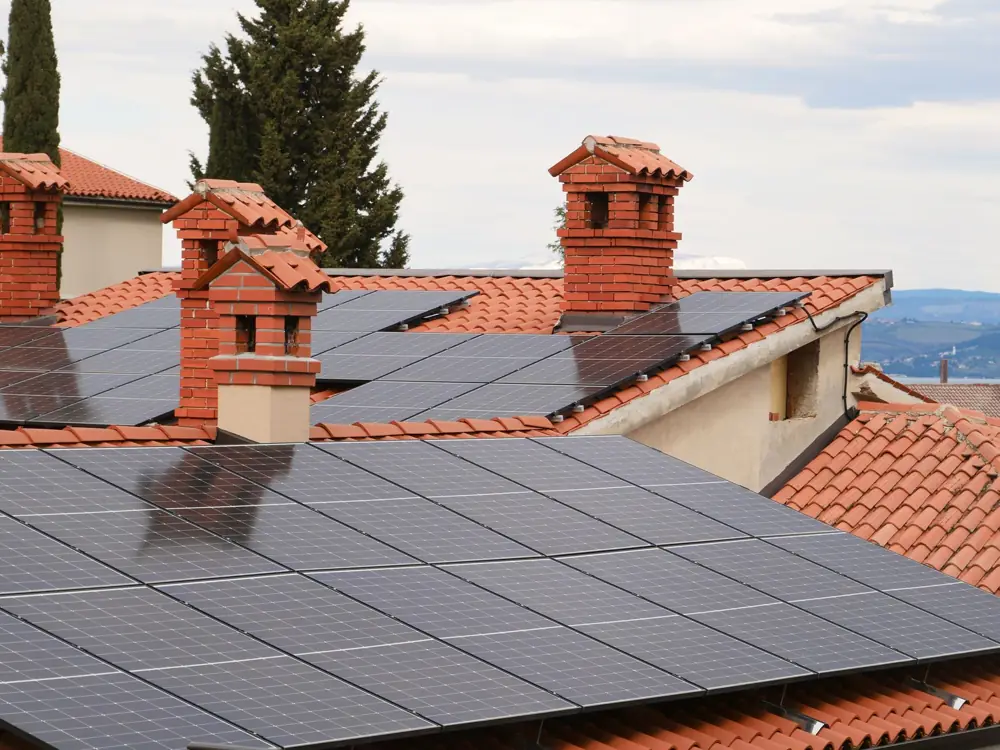
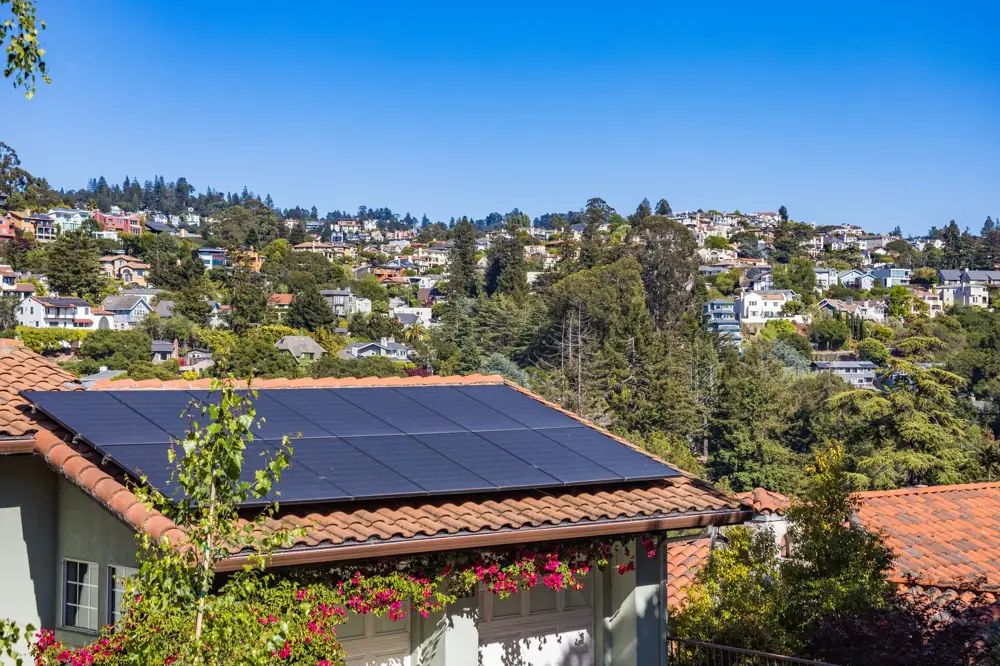
Solar roof shingles (also called solar tiles or building-integrated photovoltaics) combine roofing and power generation in a single product, lying flush with the roof for a clean appearance that traditional bolt-on panels cannot match. In New Zealand’s high-sunshine environment, they can be an attractive option for new builds and full re-roofs. Budgeting must recognise that you are buying two things at once — a roof and a solar array — which is why the upfront cost is higher than panels alone, though it offsets the cost of a conventional roof you would otherwise pay.
Solar shingles are priced by system size and active roof area. The table below shows indicative 2026 New Zealand costs by system scale.
| System Size | Typical Home | Indicative Installed Cost (NZ$) | With Battery |
|---|---|---|---|
| ~4 kW | Small home / low use | NZ$24,000 – NZ$32,000 | +NZ$10,000 – NZ$16,000 |
| ~6 kW | Average home | NZ$32,000 – NZ$42,000 | +NZ$12,000 – NZ$18,000 |
| ~8 kW | Large home / high use | NZ$42,000 – NZ$55,000 | +NZ$14,000 – NZ$20,000 |
These figures include the roofing function and a grid-connected inverter. The sections below explain the variables and the comparison with conventional panels.
What Solar Shingle Installation Includes
A complete solar shingle installation covers removing the old roof covering, installing the integrated solar tiles as the new watertight roof surface, wiring the array to an inverter, connecting to your switchboard and the grid, and commissioning the system. Non-active roofing tiles that match the solar tiles cover areas unsuitable for generation. Because the product is both roof and power plant, the installation combines roofing and electrical trades, and both must be done to a high standard.
What Determines Your Solar Shingle Price
Quotes vary with system size, roof and storage. The main levers are below.
System Size, Active Area and Battery Storage
System size in kilowatts is the primary driver of both cost and output. The proportion of the roof that is active solar versus matching dummy tiles affects generation and price. Roof complexity, orientation and shading influence how much active area is viable and how much labour is needed. Adding battery storage, increasingly popular for using more of your own generation, is a significant additional cost but improves self-consumption and resilience. Inverter choice and any switchboard upgrades also factor in.
Solar Shingles Versus Conventional Panels
The central decision for many homeowners is whether integrated shingles or standard panels suit them better.
Weighing Aesthetics, Cost and Output
Conventional bolt-on panels are considerably cheaper per kilowatt and can be added to an existing sound roof, making them the value choice when the roof does not need replacing. Solar shingles cost more but replace the roof itself, deliver a seamless, low-profile appearance many homeowners prefer, and make sense when you are re-roofing or building anyway. Output per square metre is often lower for shingles than premium panels, so where roof space is limited, panels may generate more. Matching the choice to whether you need a new roof is the key to value.
Real New Zealand Project Cost Scenarios
Concrete examples turn system sizes into whole-project figures.
Small, Medium and Large Examples
Small project: A 4 kW solar shingle roof on a compact home in Nelson during a planned re-roof. Expect NZ$26,000 to NZ$31,000, offset by the conventional roof not needed. Medium project: A 6 kW system on an average Christchurch home with a modest battery. Expect NZ$44,000 to NZ$54,000 including storage. Large project: An 8 kW system on a new-build in Auckland with battery and high self-consumption goals. Expect NZ$58,000 to NZ$68,000. Because the roof cost is bundled in, compare quotes against the combined cost of a conventional roof plus separate panels.
How to Choose a Solar Shingle Installer
Because the product is both roof and electrical system, installer competence in both trades is essential.
Accreditation, Warranties and Red Flags
Choose an installer accredited for solar work with electricians certified for grid connection, and confirm roofing competence for the weatherproofing. Ask for product and workmanship warranties, the expected output estimate for your roof, and references from completed installations. Be wary of output claims that ignore your roof’s orientation and shading, of unclear division between roofing and electrical responsibility, and of pressure to add oversized storage. A reputable installer provides a realistic generation estimate and clear warranties covering both the roof and the power system.
The Installation Process and Timeline
Solar shingle installation is more involved than either roofing or panels alone.
What to Expect On Site
A typical installation takes one to two weeks depending on size and complexity. The crew strips the old roof, installs the solar and matching tiles as the new watertight surface, runs the wiring, mounts the inverter and any battery, and connects to the switchboard. A certified electrician commissions the system and arranges grid connection and any export metering. Because roofing and electrical work are combined, coordination between trades is important, and a final inspection should confirm both weathertightness and electrical compliance before sign-off.
Incentives, Grid Connection and Regulations
Understanding the financial and regulatory context sharpens the investment case.
Buy-Back, Compliance and Payback
New Zealand does not have a national feed-in tariff, but many electricity retailers offer buy-back rates for exported power, and self-consumption of your own generation is where most savings come from. Grid connection must be arranged with your lines company and retailer, and installation must meet the relevant electrical safety and building standards. Payback periods for integrated solar are longer than for panels alone because of the higher cost, but the combined roof-and-power value, aesthetics and rising electricity prices all improve the long-term case.
Maintenance and Lifespan
Solar shingles are durable and low-maintenance, but a few checks preserve output and weathertightness.
Keeping Generation and Roof Performance High
Keep the tiles clear of leaves, moss and heavy soiling that reduce generation, monitor output through the system’s app to catch any drop early, and have the electrical components checked periodically by a qualified installer. Inspect the roof after severe storms as you would any roof. Quality solar tiles typically carry product warranties of 25 years or more on generation and function as a roof for a comparable or longer period, giving a long service life that supports the investment when the roof needed replacing anyway.
Frequently Asked Questions
Are solar shingles worth it compared to panels?
They are most worthwhile when you are re-roofing or building, because you offset the cost of a conventional roof and gain a seamless appearance. If your roof is sound, conventional panels are cheaper per kilowatt and usually the better value for generation alone.
How much roof do I need for solar shingles?
Enough well-oriented, unshaded area to host the active tiles for your target output; the rest of the roof uses matching non-active tiles. North-facing, unshaded roof planes generate best in New Zealand, and an installer will assess how much viable active area your roof offers.
Do solar shingles work in New Zealand’s climate?
Yes. New Zealand has strong sunshine hours, and solar tiles generate well on suitable roofs. Correct orientation and minimal shading matter most, and pairing generation with self-consumption or a battery maximises the financial benefit given local buy-back arrangements.
Cost-Saving Strategies for Solar Shingles
Solar shingles carry a premium, and the biggest saving comes from timing: installing them when you are already re-roofing or building offsets the cost of a conventional roof you would otherwise pay. Sizing the system to your actual electricity use avoids paying for unused capacity, and starting without a battery, adding storage later as budgets allow, spreads the outlay. Comparing the bundled roof-and-solar cost against a conventional roof plus separate panels clarifies the true premium.
Where to Spend and Where to Save
Spend on a competent installer skilled in both roofing and electrical work, and on a correctly sized, quality inverter, because these determine reliability and output. Save by right-sizing the system rather than over-specifying, by maximising self-consumption instead of relying on modest buy-back rates, and by deferring battery storage until it clearly pays. The costliest error is buying integrated solar when your existing roof is sound and cheaper panels would do.
Maximising Return in New Zealand
Because New Zealand lacks a national feed-in tariff, the financial case rests on self-consumption: using your own generation rather than exporting it cheaply. Orienting active tiles to capture peak sun, shifting discretionary electricity use to daylight hours, and sizing the system to your daytime load all improve returns. Rising electricity prices steadily strengthen the case, and pairing generation with a battery lets you use more of what you produce, shortening the effective payback over the roof’s long life.
Impact on Home Value and Resale
An integrated solar roof appeals to environmentally minded and forward-looking New Zealand buyers, combining a new, long-life roof with lower running costs and a clean appearance. Documented generation performance and transferable warranties reassure purchasers, and the seamless look avoids the objection some buyers have to bolt-on panels. As energy costs rise, a home that generates its own power becomes an increasingly attractive proposition.
Common Mistakes to Avoid
The main errors are installing integrated solar on a sound roof where cheaper panels would suffice, accepting optimistic output claims that ignore orientation and shading, oversizing storage, and hiring an installer weak in either the roofing or electrical trade. Neglecting the self-consumption strategy undermines the whole financial case.
Questions to Ask Before Signing
Ask for a realistic output estimate for your specific roof, how the cost compares with a conventional roof plus panels, the installer’s credentials in both trades, and how the system maximises self-consumption. Clarify warranties on both the roof and power functions. Clear answers mark an installer who will deliver honest value from this premium technology.
Do solar shingles work on cloudy days in New Zealand?
Yes, though at reduced output. Photovoltaic tiles generate from daylight, not just direct sun, so they still produce power under cloud, just less than in full sun. New Zealand’s strong overall sunshine hours make them viable, and sizing the system and maximising self-consumption ensures worthwhile generation across varied weather.
What maintenance do solar shingles need?
Very little. Keep the tiles clear of leaves and heavy soiling that reduce output, monitor generation through the system app to spot any drop, and have the electrical components checked periodically by a qualified installer. Inspect after severe storms as with any roof. This light upkeep preserves both generation and the roof’s weatherproofing.
Summary and Next Steps
Solar roof shingles offer New Zealand homeowners a roof and a power station in one, typically costing between NZ$25,000 and NZ$55,000 installed depending on system size and storage. The smartest approach is to consider them when you are already re-roofing or building, weigh them honestly against cheaper conventional panels for pure generation, size the system to your usage, and use an installer competent in both roofing and electrical work. Obtain a realistic output estimate and compare the bundled cost against a conventional roof plus panels, and you will make a well-informed decision about this premium, integrated technology.