Skylight Installation Cost UK Guide
By the Ridge Home Editorial Team — reviewed for accuracy. Last updated 2026. This article is for informational purposes and reflects typical market pricing; obtain local quotes for your specific project.
Skylight installation in the UK typically costs between £900 and £3,500 per skylight supplied and fitted, with most homeowners paying around £1,200 to £2,000 for a standard roof window. The final price depends on the type and size of skylight, the roof covering, whether it is a fixed or opening unit, and the complexity of forming the opening. A simple fixed rooflight in a pitched tiled roof may cost around £1,000, while a large opening or walk-on flat-roof skylight with electric operation can exceed £4,000. This guide explains skylight costs across the UK and how to add natural light without leaks or heat problems.
Skylight Installation Cost Overview
Skylights and roof windows transform dark interiors, adding natural light and ventilation that ordinary windows cannot. In the UK, the most common products are pitched-roof windows (such as those from Velux or Fakro) and flat-roof rooflights. When budgeting, the unit itself is only part of the cost: forming and reinforcing the opening, flashing kits matched to the roof covering, internal plastering and finishing, and labour all contribute. A straightforward like-for-like replacement is far cheaper than creating a new opening, which involves structural work.
Installers price skylights per unit supplied and fitted, with new openings costing more than replacements. The table below shows indicative 2026 UK costs.
| Skylight Type | Typical Scope | Indicative Cost |
|---|---|---|
| Fixed roof window (replace) | Like-for-like swap, pitched roof | £800 – £1,300 |
| Opening roof window (new) | New opening, manual, pitched roof | £1,200 – £2,200 |
| Electric/solar opening window | Powered unit with rain sensor | £1,800 – £3,000 |
| Flat-roof rooflight | Fixed or opening, flat roof | £1,500 – £3,500 |
| Walk-on / large feature glass | Structural, bespoke | £3,000 – £6,000+ |
These figures assume standard access and include flashing and basic finishing. The sections below explain the variables.
What Skylight Installation Includes
A complete skylight installation covers supplying the unit and correct flashing kit, forming or adapting the roof opening with any structural reinforcement, weatherproofing with the manufacturer’s flashing matched to your tile, slate or flat covering, and internally lining, plastering and finishing the reveal. On new openings, the rafters must be trimmed and supported correctly. Using the manufacturer’s matched flashing kit is essential, as generic sealing is the leading cause of skylight leaks.
What Determines Your Skylight Price
Skylight quotes vary with the unit, the opening, and the roof type. The main levers are below.
Unit Type, New Opening and Roof Covering
The unit sets the baseline: fixed is cheapest, manual opening more, and electric or solar-powered with rain sensors most. Creating a new opening costs significantly more than replacing an existing one because of the structural and internal finishing work. The roof covering matters, as flashing kits differ for tile, slate and flat roofs, and steep or high roofs raise access and scaffolding costs. Larger and bespoke glazing, including walk-on units, sits at the top of the range.
Types of Skylight and Roof Window
Choosing the right type shapes both cost and how you will use the light and ventilation.
Fixed, Opening, Electric and Flat-Roof
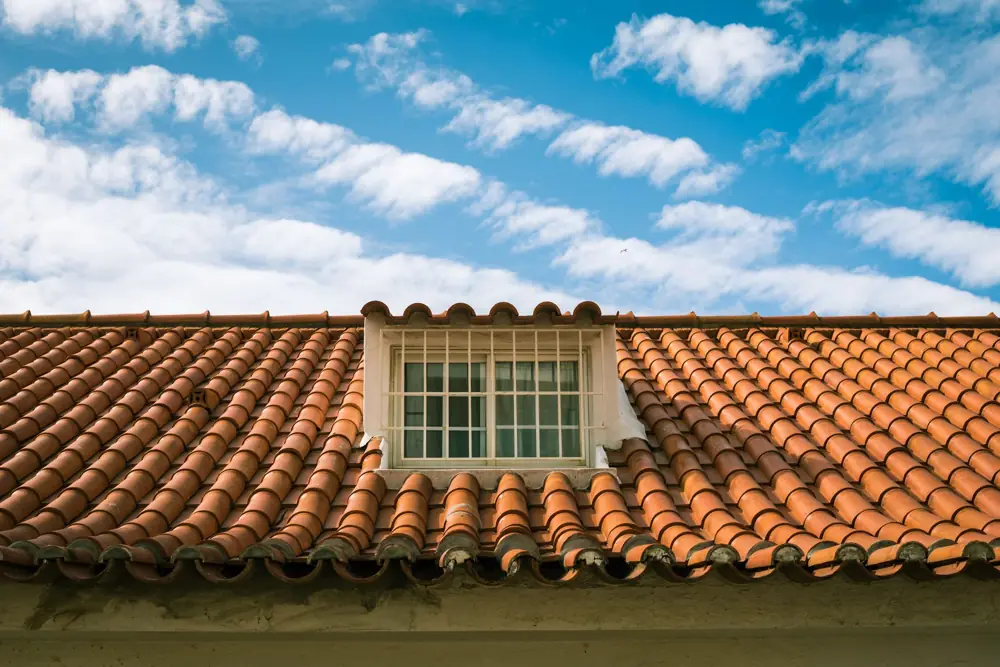
Fixed rooflights provide light only and are the most affordable, ideal where ventilation is not needed. Manual opening roof windows add ventilation via a handle and are the popular all-rounder. Electric and solar-powered units open at the touch of a button and often include rain sensors that close automatically, valuable for high or out-of-reach positions. Flat-roof rooflights suit extensions and modern flat-roofed spaces, available fixed or opening and in large formats. For most UK loft conversions, a manual or electric opening roof window offers the best blend of light, ventilation and value.
Real UK Project Cost Scenarios
Concrete examples turn unit prices into whole-project figures.
Small, Medium and Large Examples
Small project: Replacing an aged fixed rooflight like-for-like in a tiled roof in Leeds. Expect £900 to £1,300. Medium project: Installing two new manual opening roof windows in a loft conversion in Bristol, including openings and finishing. Expect £2,800 to £4,200 for the pair. Large project: A large opening flat-roof rooflight over a kitchen extension in London with electric operation. Expect £3,500 to £5,500, driven by the bespoke glass and flat-roof detailing. Obtain itemised quotes so structural and finishing work is clear.
How to Choose a Skylight Installer
Correct flashing and structural work separate a skylight that lasts from one that leaks.
Experience, Flashing and Red Flags
Choose an installer experienced with your roof covering and the specific skylight brand, and confirm they will use the manufacturer’s matched flashing kit. Verify insurance, ask to see completed installations, and get the structural approach and finishing scope in writing. Be wary of generic sealing instead of proper flashing, of vague structural provisions for new openings, and of quotes that omit internal finishing. A reputable installer provides a workmanship guarantee alongside the manufacturer’s warranty on the unit.
The Installation Process and Timeline
Understanding the sequence helps you plan for disruption and judge quality.
What to Expect On Site
A like-for-like replacement can take under a day, while a new opening with internal finishing may take two to four days. The installer forms or adapts the opening, reinforces the rafters as needed, fits the unit with the matched flashing kit, weatherproofs against the surrounding covering, and then lines, plasters and decorates the internal reveal. Scaffolding or a roof platform is used for access and safety. A careful installer weather-tests the unit and ensures the internal finish is clean before completion.
Building Regulations and Planning
Skylight installation in the UK usually falls under permitted development but is subject to Building Regulations.
When Approval Is Needed
Most roof windows are permitted development if they do not project significantly and sit within height limits, but Building Regulations apply to the structural opening, thermal performance and, in habitable rooms, sometimes means of escape. Listed buildings and conservation areas often require consent. A competent installer will confirm whether Building Control notification is needed and ensure the opening is structurally sound and compliant, which protects both safety and resale.
Maintenance and Lifespan
Skylights are low-maintenance, but simple care preserves both performance and appearance.
Keeping Skylights Clear and Weathertight
Clean the glass periodically inside and out for maximum light, clear leaves and debris from around the flashing and any surrounding valleys, and check the flashing and seals after severe storms. Operate opening units occasionally to keep the mechanism free, and replace filters on ventilating units per the manufacturer’s guidance. With this care, a quality roof window lasts 20 to 30 years or more, and addressing any seal or flashing issue promptly prevents the leaks that give skylights an undeserved reputation.
Frequently Asked Questions
Do skylights leak?
Correctly installed skylights with the manufacturer’s matched flashing kit are very reliable. Nearly all skylight leaks stem from poor installation or generic sealing rather than the unit itself, which is why using an experienced installer and the correct flashing is essential.
Is a fixed or opening skylight better?
A fixed rooflight is cheaper and suits spaces that only need light, while an opening unit adds valuable ventilation, helping control heat and humidity. For bathrooms, kitchens and loft bedrooms, an opening or electric unit is usually worth the extra cost.
Will a skylight make the room too hot?
Modern roof windows include energy-efficient glazing, and adding external or internal blinds and choosing opening units for ventilation controls solar gain effectively. Correct specification for the room’s orientation keeps a skylight a comfort benefit rather than a heat problem.
Cost-Saving Strategies for Skylights
Skylight cost is heavily influenced by whether you replace an existing unit or create a new opening. Opting for a like-for-like replacement avoids the structural and internal finishing work that makes new openings far more expensive. Choosing a manual opening or fixed unit over an electric one saves on both the product and the wiring, and installing during a planned re-roof shares access and flashing labour, since the roof is already open and scaffolded.
Where to Spend and Where to Save
Spend on the manufacturer’s matched flashing kit and an experienced installer, because generic sealing is the leading cause of skylight leaks and remedial work is disruptive. Spend on energy-efficient glazing to control heat. Save by choosing a fixed or manual unit where powered operation is not essential, and by siting the skylight to reuse an existing opening. Cutting corners on flashing to save money reliably leads to leaks.
Natural Light, Ventilation and Well-Being
Beyond cost, a well-placed skylight transforms a room’s light and air, and this has practical value. Daylight reduces reliance on artificial lighting and improves the feel and perceived size of loft conversions and interior rooms, while an opening unit vents heat and humidity from kitchens, bathrooms and bedrooms. These comfort and well-being benefits are a large part of why UK homeowners add roof windows, and they enhance day-to-day living in a way headline cost figures do not capture.
Impact on Home Value and Resale
Roof windows are a recognised value-add, particularly in loft conversions where they turn a dim space into a bright, usable room that estate agents highlight. Buyers respond to light-filled interiors, and correctly installed, leak-free skylights with efficient glazing reassure them. The investment typically enhances both the appeal and the effective floor space of a home, supporting its sale.
Common Mistakes to Avoid
The usual errors are using generic sealing instead of the matched flashing kit, underestimating the structural and finishing work of a new opening, choosing a fixed unit where ventilation is needed, and ignoring solar gain on south-facing roofs. Homeowners also skip Building Regulations sign-off on structural openings.
Questions to Ask Before Signing
Ask whether the installer will use the manufacturer’s flashing kit for your roof covering, how a new opening will be structurally supported and finished internally, what glazing and blind options control heat, and whether Building Control notification is handled. Clear answers mark an installer who will deliver a bright, leak-free result.
Do skylights need planning permission in the UK?
Most roof windows are permitted development if they do not project markedly beyond the roof plane and stay within height limits, but listed buildings and conservation areas usually require consent, and structural openings always fall under Building Regulations. A competent installer will confirm whether your specific installation needs approval, which protects you at resale.
How do I stop a skylight overheating a room?
Choose energy-efficient glazing, add internal or external blinds, and specify an opening unit so warm air can escape. Orientation matters too: south-facing skylights gain the most heat and benefit most from shading and ventilation. Correct specification for the room turns a skylight into a comfort feature rather than a summer heat problem.
Summary and Next Steps
Skylight installation is an excellent way to bring natural light into UK homes, typically costing between £900 and £3,500 per unit depending on type, whether a new opening is needed, and the roof covering. The smartest approach is to choose the right unit for the room, favour a like-for-like replacement where possible to save cost, insist on the manufacturer’s matched flashing kit, and use an installer experienced with your roof type. Confirm any Building Regulations requirements, gather itemised quotes covering structural and finishing work, and you will add light and ventilation that enhances your home for decades.